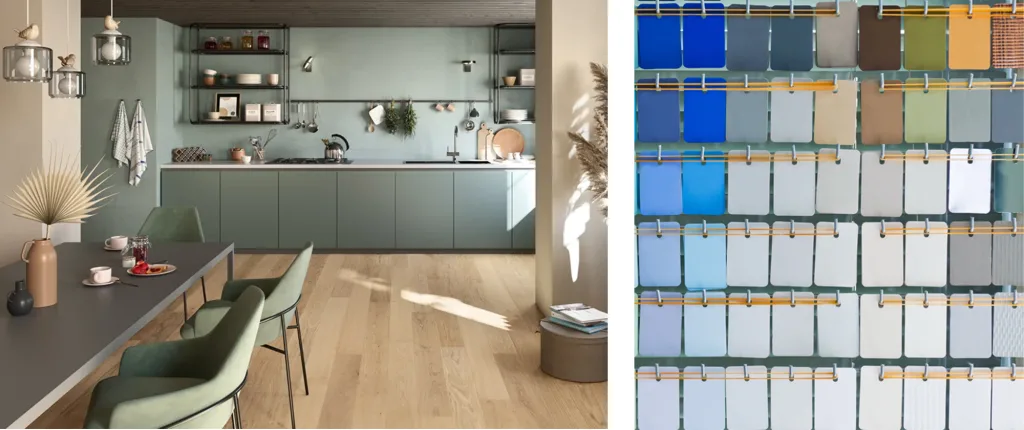


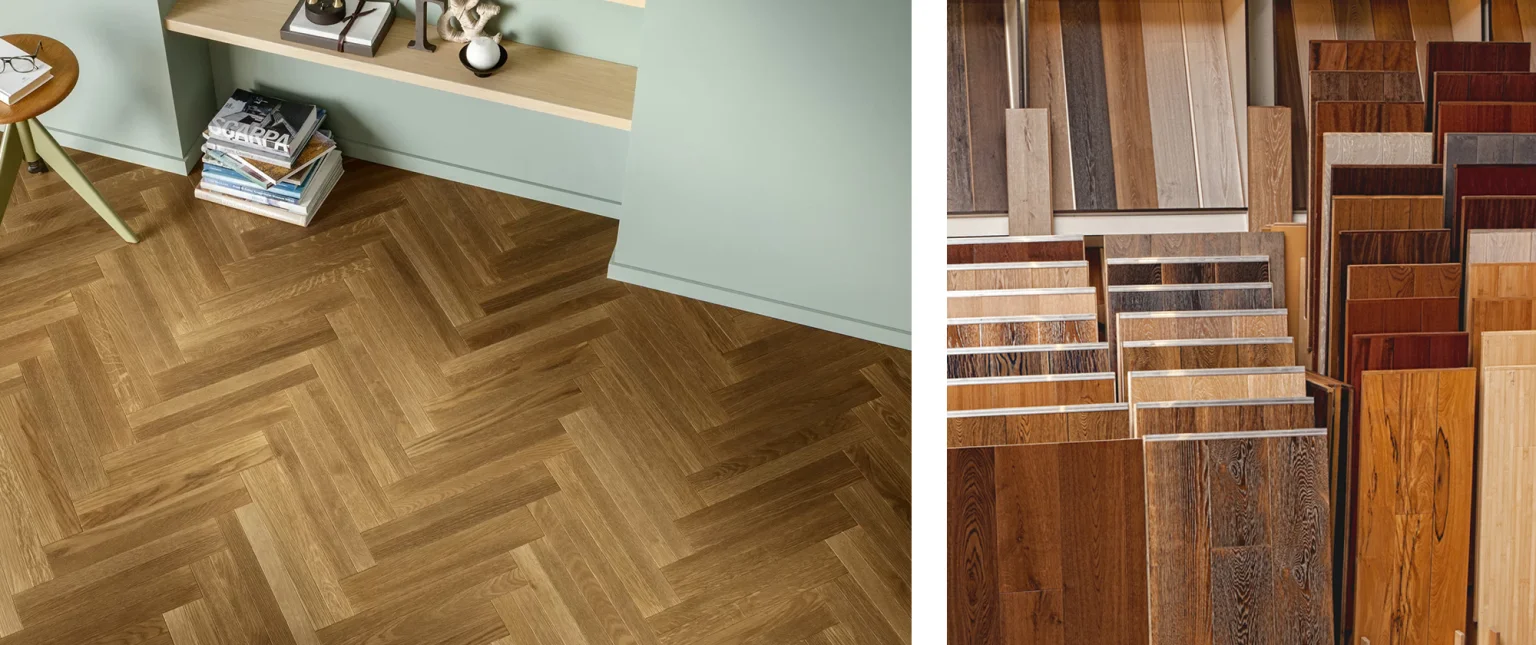
Now that the die is cast and you have decided to install wooden flooring at home or in the office, it is perhaps wise to revisit the characteristics that can make a difference when choosing parquet. The first aspect to pay attention to is the type of boards, solid wood or engineered.
Certainly, as we also mentioned in another article, solid or traditional wood is considered qualitatively more durable because it is made from a single block of noble wood, while engineered wood consists of a single layer of three to four millimeters of noble wood on one or two layers of other wooden material (7-15 millimeters).
But you must consider that the installation of engineered wood – floating or glued – is generally more economical and open to a wider variety of styles and geometries. An engineered parquet is walkable after two or three days; a solid one may take several weeks.
How to preserve engineered parquet
If your concerns also involve the longevity of parquet over time, then you should know that solid wood needs to be sanded and polished every 10-15 years at most from installation; engineered wood even after 25 years. This is because new generation engineered woods are initially treated with varnishes or oils that protect them from the action of atmospheric or chemical agents and foot traffic. In the Woodco range, valid examples come from the Dream collection.
Naturalness, the added value of wooden flooring
If you have chosen wood over other materials for flooring your space, it is certainly because you appreciate its performance and aesthetic impact. However, wood offers additional advantages in terms of sound or noise absorption and thermal insulation: for this reason, it has been used since ancient times to cover both the floor and the walls. It protects against excessive humidity and is eco-friendly, as it is recyclable and reusable for other purposes. It is an evergreen that retains its elegance, warmth, and comfort over time.
The sustainable delicacy of parquet
There is no doubt that a wooden floor is by definition also a delicate surface. For example, exposure to sunlight or air and the effect of years and wear subject it to the phenomenon of oxidation. This means that some types of wood darken – walnut, maple, iroko, and doussié – while others take on lighter shades. We have illustrated in other articles what measures to take to address such small yet inevitable setbacks. But it is equally true that some unjustified prejudice has arisen around the delicacy of wooden floors.
Parquet for bathrooms, kitchens, and even outdoors
Provided that certain guidelines are followed, parquet can perform excellently even in bathrooms or kitchens. Engineered wood, preferably varnished and not oiled and installed during the colder periods of the year, is the most suitable in this case; the recommended species for water resistance and lasting elasticity are the timeless oak, but also doussié, iroko, and teak.
To enjoy the beauty of wood even outdoors, the Externo collection by Woodco, a range of flooring for outdoor spaces made entirely of eco-sustainable composite material based on wood flour and high-density recycled polyethylene, has proven to be comfortable not only outdoors but more specifically by the poolside, without any fear of splashes and puddles.
Wooden flooring: an idea for the office
Returning briefly to the sound-absorbing properties of parquet, it is clear that these can be particularly appreciated by professionals looking for an impactful solution for their offices. The added value lies here in the versatility of the material and the variety of an offer like Woodco’s. The oak from the Dream collection pairs well with urban and minimal styles, and in its gray and taupe variations, it has the advantage of giving rooms a greater sense of airiness. The Dream and Signature families are also rich in darker and more classic colors if you prefer environments more inspired by tradition.
Installation plays its part
Before purchasing and installing parquet, we suggest you consider the installation method and the final design of the boards. Floating installation, without adhesives, is particularly suitable for partial or complete renovations and rentals. It is essential, however, that an appropriate insulating underlay is placed between the boards and the existing floor, also to avoid footstep noise; and that the appropriate expansion joints are used correctly.
Regarding installation, vertical installation gives an impression of greater spaciousness to the rooms, giving them a sense of breath and spaciousness. Herringbone patterns mostly match light tones, ensuring an extra touch of movement and warmth; while the more austere square tiles captivate with their timeless elegance.
A parquet to treat well
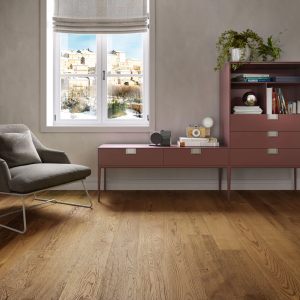
A few words, to conclude, on treatments and finishes. If you are looking for a perfectly smooth surface, the advice is to opt for sanded parquet; brushing accentuates the grain and color nuances, and sandblasting gives the installation a lived-in feel, suitable for more country-style themes. As for treatments, parquet can be varnished, making it easier to clean while simultaneously increasing its resistance to dirt.
Water-based varnishes, now widely used, are generally matte and give the floor a more natural appearance, in contrast to the glossy look that was more fashionable in the past. Although they require more frequent cleaning and care, oiled parquet has the advantage of preserving all its original vibrancy and warmth.